
Who loves managing workplace conflict? How about thoughtfully and confidently delivering constructive criticism in its wake?
Yeah. Nobody does. Especially managers.
Now, don’t get me wrong. Modern managers worth their salt undoubtedly understand the importance of effectively delivering constructive criticism and feedback as part of managing workplace conflict.
They recognize it is essential for learning and growth, as well as advancement in their employees’ careers.
But there is much to consider before one delivers it — especially when the catalyst for it is conflict, which almost anyone can tell you from personal experience, can quickly escalate to emotionally driven heights.
The Cost of Conflict: Why Delivering Constructive Criticism and Effective Feedback Matters
In general terms, conflict occurs whenever two people have differing opinions. This could be between you and a team member or between members of a team you oversee.
Anyone second-guessing the impact of conflict in the workplace should consider the following:
Managers spend over 4 hours a week dealing with it, and it is often described as ongoing and persistent. Specifically, 36% of managers report dealing with conflict frequently. This costs companies billions per year.
“Managers spend over 4 hours a week dealing with workplace conflict, which is often described as ongoing and persistent. Specifically, 36% of managers report dealing with conflict frequently. This costs companies billions per year.”

The collective minds of my readers upon digesting those statistics.
For viewers just tuning in, this means managers spend two full working days per month dealing with conflict — almost one month per year. Yeesh.
But for those in the trenches, this is nothing new. Thankfully, there is a framework capable of mitigating these cost and productivity losses while providing helpful and good faith guidance. It’s called the “W-5” Method.
The W-5 Method not only assists managers navigating conflict-based challenges, it also encourages those same managers to look inward.
Delivering Constructive Criticism With the W-5 Method: How It Helps Managers Give Better Feedback
If you’ve ever wondered how to give constructive feedback to employees without blowing up trust, the W-5 Method gives you a simple checklist to follow before you walk into the room. A self-assessment tool, if you will.
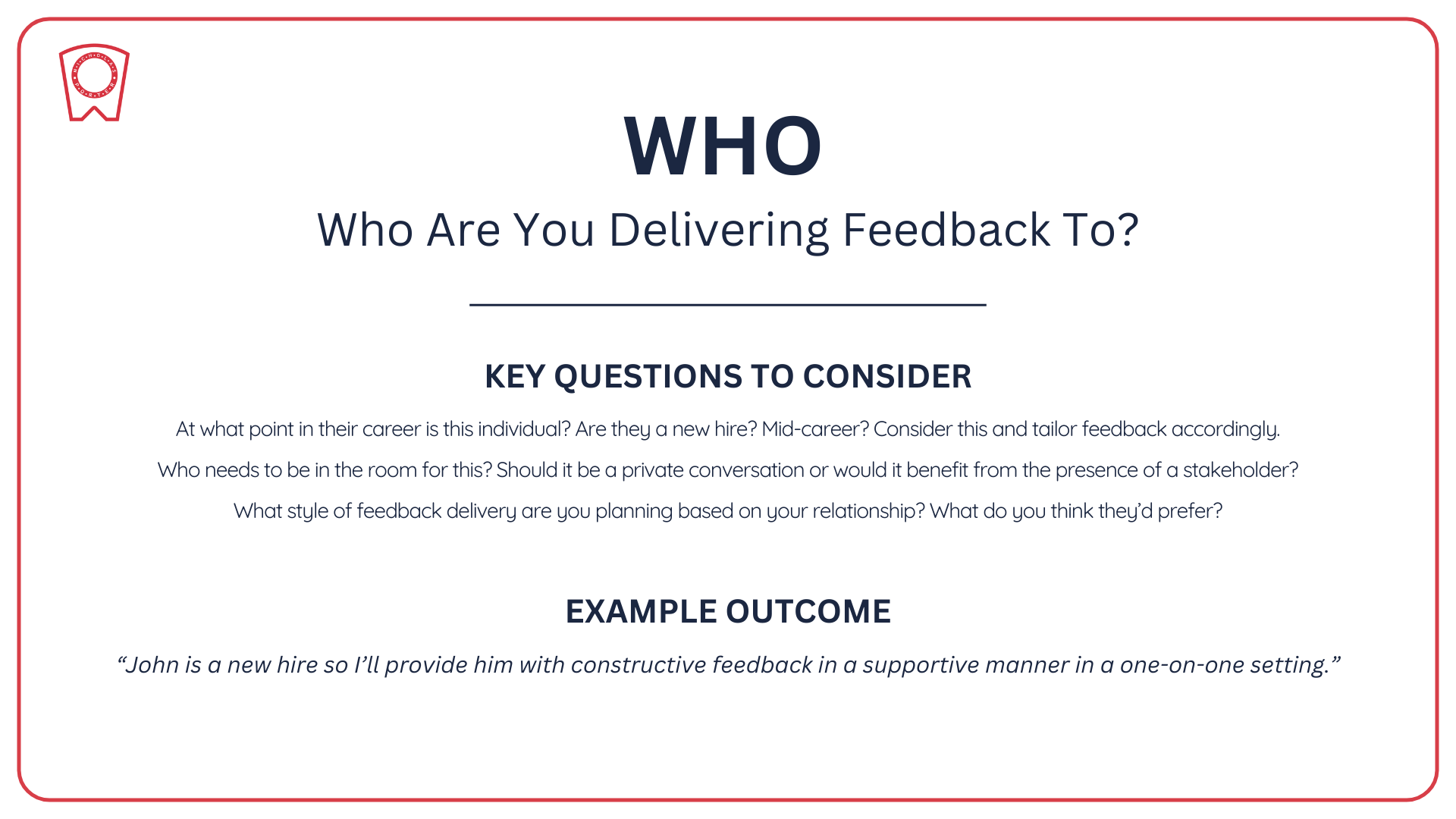
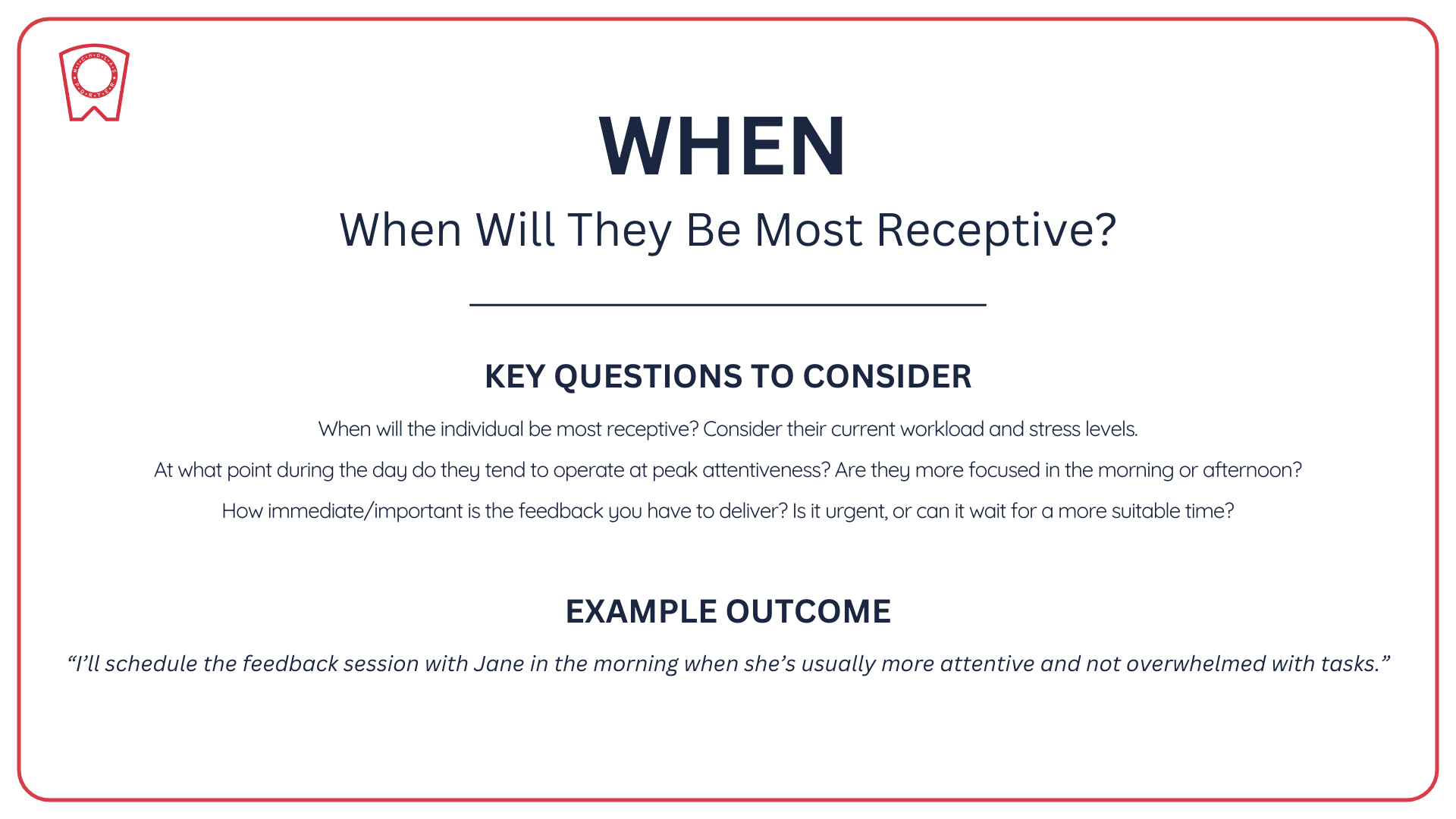
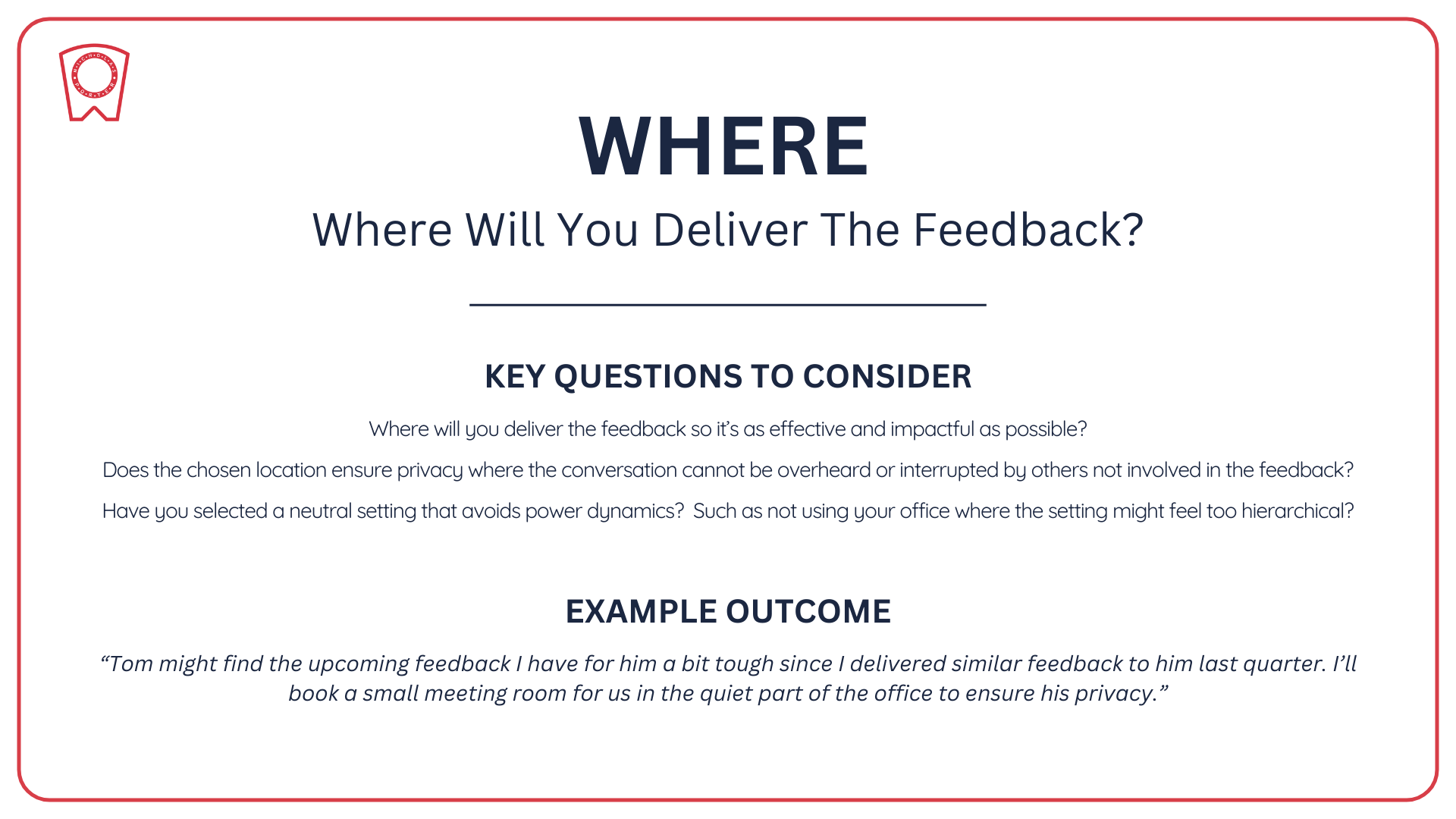
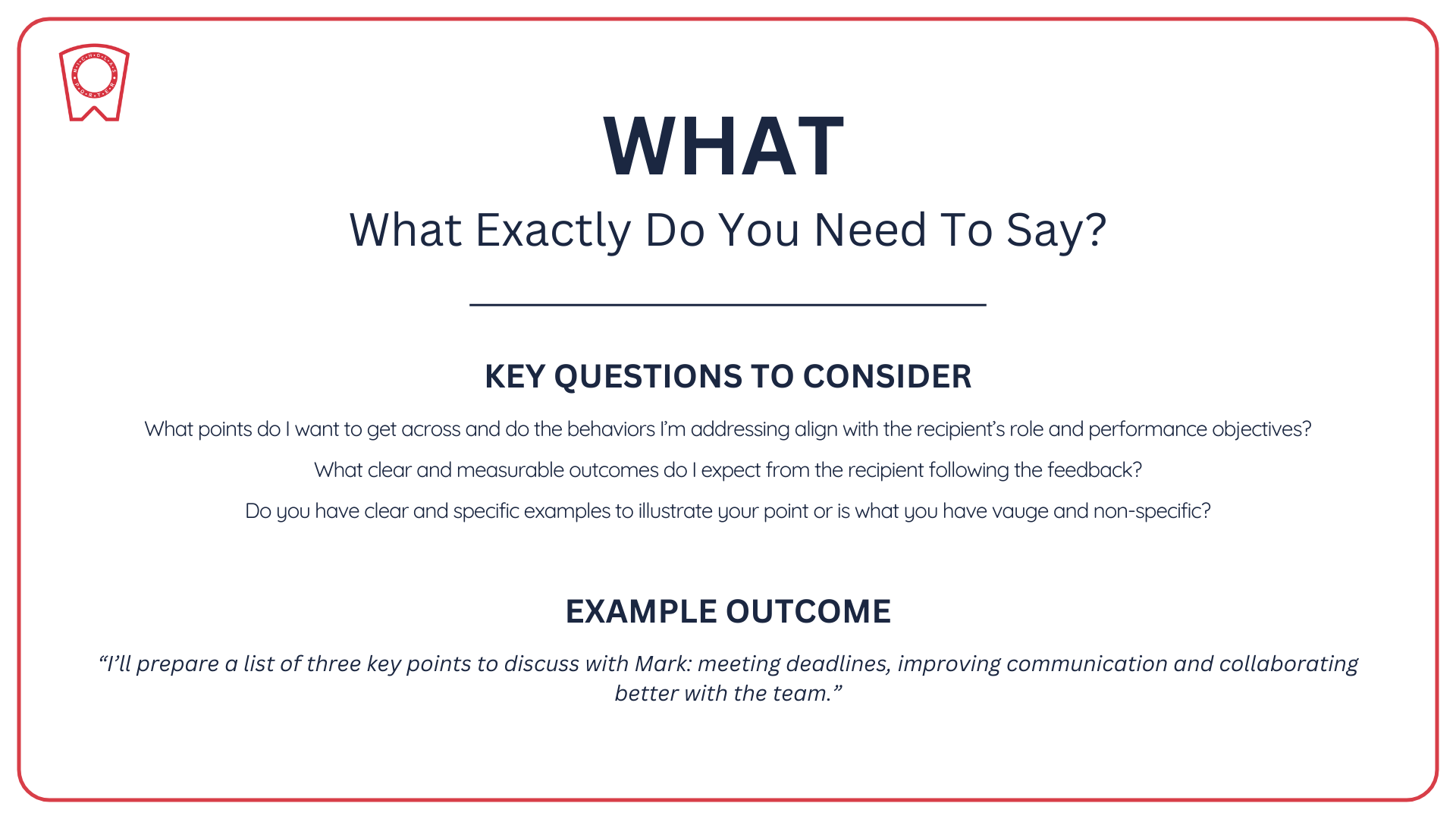
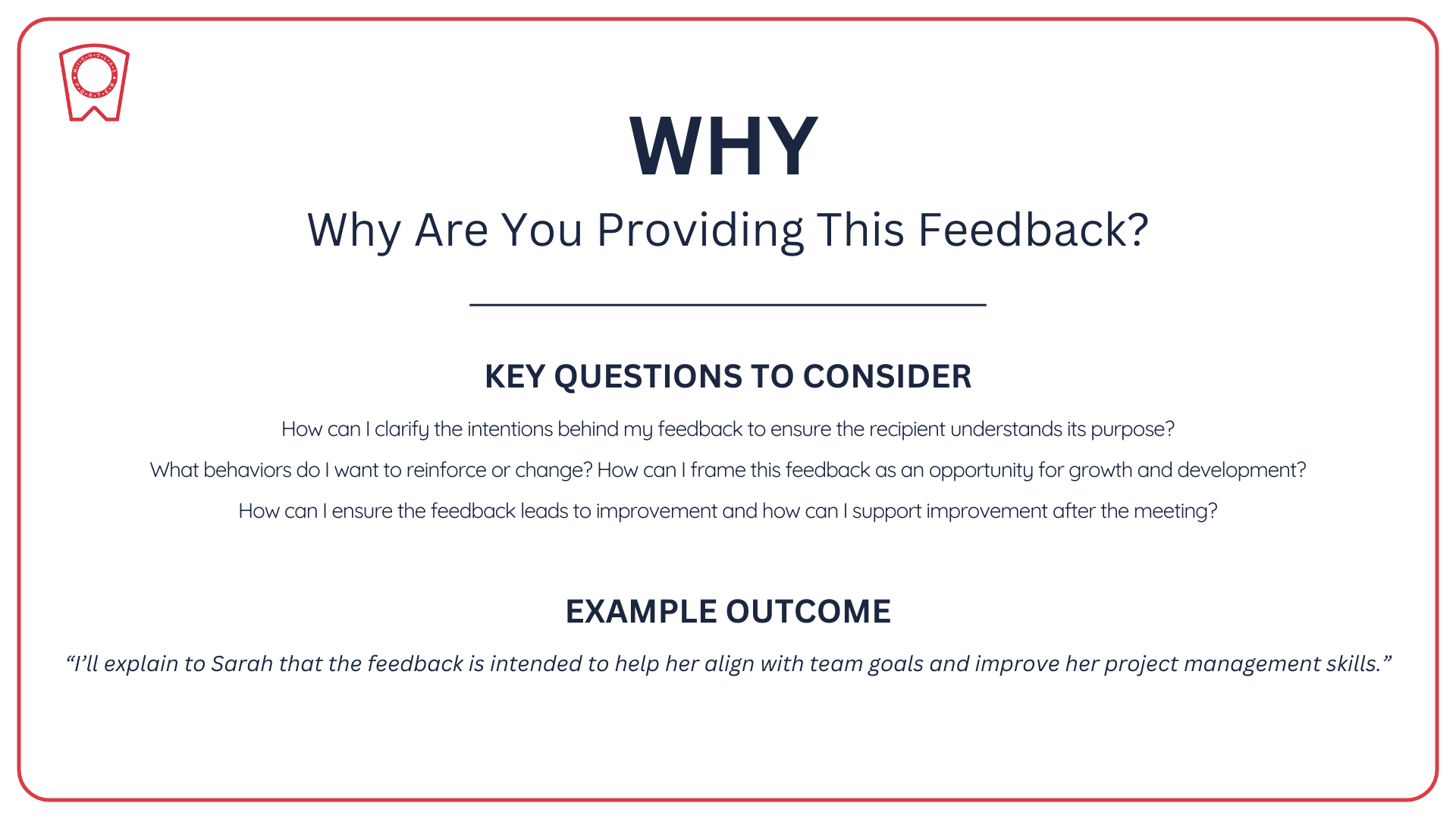
Not only is the W-5 self-test useful in a professional setting, it is also useful when gearing up for tough conversations of all kinds.
The reason for this is simple. The W-5 Method helps you first get to the root of an issue and then provides guidance on how to successfully manage a conversation around it from start to finish
Additional Considerations When Delivering Constructive Criticism and Effective Feedback in the Wake of Conflict
Here are some additional considerations to keep in mind to prevent conflict before it happens and to manage some of the dynamics around it.
- Encourage Employees to Speak Up.
Remind your employees regularly they must “speak their need” and never hesitate to ask for guidance, support or assistance. This openness can nip issues in the bud and avoid festering resentment. - Adjust Expectations for Team Harmony.
Sometimes it is difficult to move past an issue with a specific individual, especially if you need to continue working with them after an incident. The solution? Consider how you may be able to shift your expectations. Ask yourself, “How can I adjust my approach with this person in order to achieve team goals?” Encourage team members facing these issues to do the same. - Own The Challenge, But Seek Counsel
Don’t take a conflict you are managing and dump it on the desk of your boss. Instead, develop a plan to consult with them regarding it. The marketing framework can help you develop proactive solutions that you can confidently present to your own superior for input and consensus on next steps. Get this right or risk appearing problematic yourself.
Delivering constructive criticism and effective feedback in the wake of conflict doesn’t have to be a messy.
Deploy the W-5 Method and watch those challenges turn into opportunities. Done right, it will raise you and your team’s game in ways you never thought possible.
Delivering Constructive Criticism FAQ: Real Questions & Advice
Because it usually follows conflict, emotions run high and most managers were never taught a clear process. So they worry about making things worse or damaging relationships.
Pause and run through the W-5 basics: what you need to say, when they will be most receptive, where you will talk, who you are speaking to and why the feedback matters.
It is a self-check for managers that walks you through What, When, Where, Who and Why so your feedback is intentional, specific and focused instead of blame.
Acknowledge the tension, stick to behaviors not personalities, share clear examples and connect the feedback to shared goals.
Tie your feedback to outcomes. For instance, “When deadlines slip, the team falls behind. Let’s build a simple check-in routine so you have support earlier.” Stay specific, calm and actionable.
Choose the right time and place, assume good intent, lead with your “why” and offer concrete suggestions. Invite their perspective so it feels like a two-way conversation.